
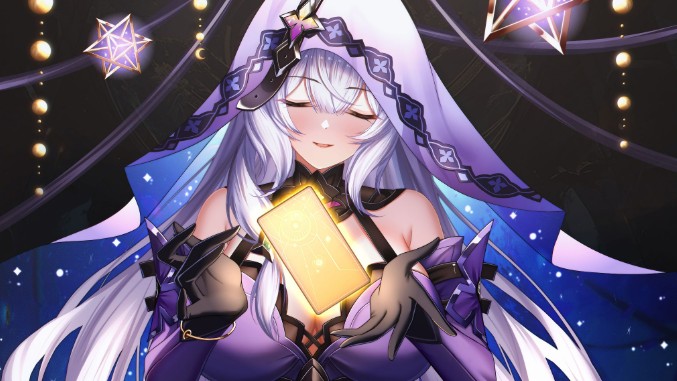

Honkai Star Rail has one of the most thoughtfully named rosters in modern gacha gaming. HoYoverse draws character names from mythology, astronomy, literature, history, and multiple languages — Chinese, Japanese, Latin, German, and beyond — giving each Trailblazer companion a name that quietly communicates personality, role, or narrative purpose before a single line of dialogue is read. This guide works through the current roster and unpacks the meaning behind each name, offering a richer way to appreciate characters that players may have pulled on without ever considering why they are called what they are called.
The Astral Express Crew
The Trailblazer — the player character — carries a name that functions as a direct statement of purpose. A trailblazer is someone who forges a new path where none previously existed, which reflects the character’s journey across the cosmos aboard a train that travels roads no map has charted. The name sidesteps personal identity in favor of role identity, which suits a protagonist whose story is defined by movement and discovery rather than a fixed origin.
Himeko draws from Japanese naming conventions where the suffix “ko” means child and “hime” means princess — making her name translate roughly to “princess child” or “daughter of royalty.” The name carries elegance and authority, both of which suit a character whose competence and experience command respect from everyone around her. Welt Yang’s given name connects to the German word for “world,” a fitting choice for a character whose history with Honkai across multiple HoYoverse timelines makes him one of the most world-spanning figures in the lore.
March 7th is named after the date she was found frozen in ice — a poetic absence of origin replaced by a moment of rebirth. The name captures her situation perfectly: no history, no family name, just a date that marks the beginning of the life she actually remembers. Dan Heng’s name is rooted in Chinese, with “Dan” suggesting simplicity or dawn and “Heng” carrying associations with permanence and constancy — a quiet irony for a character whose past identity is anything but simple.
The Xianzhou Luofu Characters
Jing Yuan translates from Chinese as something close to “still waters” or “calm expanse” — an apt name for a general whose composed exterior conceals strategic depth and centuries of accumulated experience. The name’s stillness contrasts elegantly with the violence of his role, suggesting a character who has made peace with the weight of command in a way that younger warriors have not.
Blade is an English translation of a broader concept, and while the name functions straightforwardly as a descriptor of his fighting style, it also strips away personal identity in a way that mirrors his character arc. He is defined by his weapon and his purpose rather than by a personal history he has largely abandoned. Fu Xuan’s name connects to Chinese concepts of fortune-telling and divination — “fu” carries connotations of luck and blessing while “xuan” suggests mystery or the profound — fitting for a character whose entire kit revolves around predicting and redirecting fate.
Luocha’s name has drawn considerable community discussion, with its closest linguistic roots pointing toward Sanskrit and Buddhist terminology relating to the Rakshasa — powerful supernatural beings from Hindu and Buddhist mythology. The name’s exotic quality relative to other Xianzhou characters signals his outsider status within the Luofu even before his story questline elaborates on it. Yunli and her companion Lingsha follow the naming patterns common to Xianzhou characters — “yun” meaning cloud and “li” suggesting strength or beauty, while “ling” carries spiritual or soul-related meanings and “sha” connects to gauze or lightness.
The Penacony and Amphoreus Characters
Robin’s name is straightforwardly Western in a roster full of Chinese, Japanese, and mythological names, and that distinctiveness is the point. Her character design and narrative role are built around music, performance, and warmth — qualities associated with the robin bird across Western literary and cultural tradition, where the robin is a symbol of hope, renewal, and gentle persistence. The name communicates approachability in a way that more ornate fantasy naming conventions might not.
Sunday, her brother, follows the same Western naming pattern but carries additional layers. Sunday is the day of rest and traditionally the day associated with light and the sun across multiple religious traditions — fitting for a character whose narrative positioning involves themes of order, control, and the administration of peace. Aventurine’s name references a type of glittering mineral known for its golden flecks, connecting directly to his aesthetic, his luck-based gameplay mechanics, and his personality built around gambling and calculated risk.
Firefly’s name operates on a symbolic level — fireflies produce their own light in darkness, which aligns with her character’s thematic positioning around warmth and perseverance in difficult circumstances. The name is also notably gentle for a character associated with combat and destruction, which reflects the narrative tension at the core of her story. Rappa draws from Japanese onomatopoeia and slang, with associations to chaos, rowdiness, and uninhibited energy — a name that suits her personality immediately upon first meeting.
The Stellaron Hunters
Kafka’s name is one of the most explicitly literary in the roster, taken directly from Franz Kafka — the Czech novelist whose work defined surrealism, bureaucratic horror, and the experience of navigating incomprehensible systems that control human lives. The thematic resonance with Kafka the character is intentional: she operates within and manipulates systems of power in ways that leave others disoriented and unable to fully grasp her true motives.
Silver Wolf’s name operates on two levels. The wolf carries universal associations with cunning, pack dynamics, and predatory intelligence. The silver coloring adds a technological dimension — silver as a color associated with digital aesthetics and hacker culture — that positions her firmly in the game’s cyberpunk-adjacent content. Together the two words create a name that communicates both her personality and her role simultaneously.
Blade, discussed earlier in the Luofu section, and Gepard round out the Stellaron-adjacent characters worth noting. Gepard is the German and Dutch word for cheetah — the fastest land animal — which reflects his role as a defensive Paladin whose speed in protecting allies defines his gameplay identity.
Supporting the Roster You Love Through HSR Top Up
With a roster this large and narratively rich, most Trailblazers have at least a handful of characters they are actively working toward. Building toward a favorite character through consistent Polychrome accumulation and strategic banner timing is the core long-term goal for most players, and understanding when and how to supplement free resources with a planned HSR top up makes those targets more achievable without reactive overspending.
For players looking to top up at competitive regional rates, LootBar game recharge services cover Honkai Star Rail with a self-service model requiring no account credential sharing, fast processing, and payment method support across multiple regions. The shop’s strong independent trust ratings backed by verified user reviews make it a reliable option for players who want to invest in pulling the characters whose names and lore they have come to appreciate most.
Remaining Characters Worth Noting
Sampo’s name carries Scandinavian mythological roots — the Sampo is a mysterious artifact in Finnish mythology said to bring fortune and prosperity to its owner, fitting for a merchant character whose entire persona revolves around deal-making and self-interest presented as generosity. Pela is derived from a Scandinavian diminutive of Petronella, carrying associations with practicality and reliability — both qualities that define her role as a support character built around enabling her allies.
Tingyun’s name combines Chinese characters suggesting “listening to the clouds,” a poetic construction that suits a character associated with trade, communication, and Xianzhou’s merchant culture. Asta’s name draws from Old Norse and Germanic roots where it connects to concepts of divine strength and love — a small but resonant choice for a character whose enthusiasm and warmth define her presence on the Astral Express.