
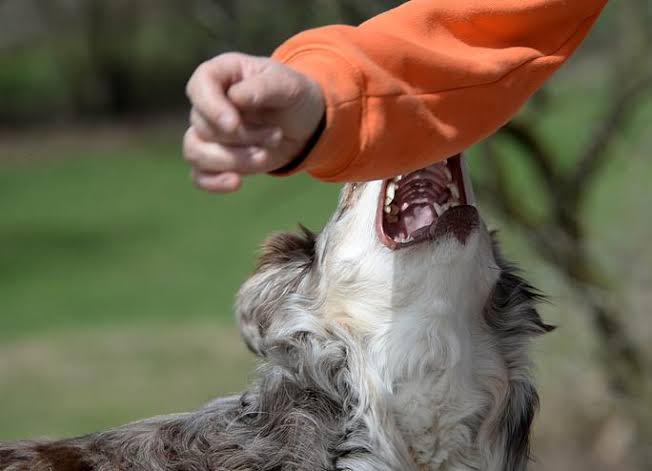

A dog bite victim may experience more than simply physical injuries. The healing process often involves long-term care, medical costs, missed wages, and mental pain. Although many people believe that all dog bite cases are governed by the same laws, this is not the case. Every state has its own laws that specify who is at fault, what proof is required, and how damages may be given. After an assault, wounded individuals may make better judgments if they are aware of these distinctions.
Understanding how state-specific laws relate to your case and what legal alternatives are available may also be made simpler by working with a dog bite injury attorney.
States Adhere To Various Liability Regulations
How each state determines responsibility is one of the most significant disparities between them. Strict liability laws exist in several states. According to these regulations, even if a dog has never shown violent behavior, the owner may still be held liable for any harm the dog does.
Other states have laws based on carelessness. In these situations, the victim could have to demonstrate that the owner did not take appropriate action to stop the assault. This might include demonstrating that the owner disregarded leash regulations, let the dog run loose, or neglected to keep a known hazardous animal under control.
The strength of your personal injury claim might be greatly impacted by the legal standard used in your jurisdiction.
Your Claim May Be Affected By The One Bite Rule
There are still states that uphold a variation of the “one bite rule.” According to this legal theory, owners who have no cause to suspect their dog may turn hostile may not be held entirely accountable.
However, victims may still be able to get compensation notwithstanding this regulation. A valid claim may still be supported by proof that the owner disregarded warning signs, broke local laws, or behaved irresponsibly.
A dog bite injury attorney can aid you in comprehending how the regulations in your state apply to your circumstance because these claims often require particular evidence.
Local Laws May Also Be Important.
State laws are but one aspect of the legal system. Counties and cities often have extra regulations pertaining to dog ownership. These might consist of:
- Requirements for leashes
- Registrations for dangerous dogs
- Rules for secure fencing
A personal injury claim may be strengthened if an owner broke one of these municipal regulations before the assault. When assessing culpability, courts often take into account whether the owner complied with all relevant safety regulations.
Comprehending local and state rules might be crucial when negotiating a settlement or going to court.
Compensation May Be Reduced By Comparative Negligence
Comparative negligence principles are used in several jurisdictions to assess personal injury claims. This implies that if the wounded party is determined to be somewhat at fault for the occurrence, compensation may be lowered.
For instance, the victim may be given a portion of the blame if someone disregarded warning signs, accessed restricted land without authorization, or purposefully agitated a dog. That proportion might then be used to lower the overall pay.
Careful recordkeeping is particularly crucial after an assault since insurance companies sometimes use comparative negligence arguments to reduce benefits.
State Laws Affect The Compensation That Is Available
The kinds of damages available in a dog bite suit might also be determined by your state’s laws. Victims may be compensated for the following, depending on local laws:
- Medical care
- Future costs associated with rehabilitation
- Wages lost
- Diminished ability to earn
- Anguish and misery
- Trauma on an emotional level
- Disability or permanent scarring
Depending on the severity of the injuries, some jurisdictions provide greater recovery, while others restrict certain categories of damages. The total value of a personal injury lawsuit might be significantly impacted by these legal distinctions.
Constructing A Robust Argument
Strong proof is still one of the most crucial elements in any dog bite claim, regardless of the location of the occurrence. Medical documents, photos of injuries, witness statements, animal control complaints, and evidence of monetary losses are examples of useful documentation.
Before providing reimbursement, insurance firms thoroughly review every aspect. Stronger settlement discussions and better legal results are often the result of well-organized evidence backed by a thorough comprehension of relevant state legislation.
Conclusion
State dog bite regulations have a direct impact on how personal injury claims are assessed, from establishing culpability to figuring out compensation and enforcing deadlines for filing. Victims should not assume that the procedure is the same everywhere, as each state has its unique legal requirements. You may increase your chances of a successful claim and seek just compensation for the financial, emotional, and physical effects of a dog bite injury by being aware of the laws that apply in your area and obtaining solid evidence early on.