

Bladder leakage shouldn’t stop you from booking that holiday. But if you’ve ever cancelled travel plans because of incontinence, you already know how much stress the thought of an accident brings. Plenty of Australians feel the same way, and most of them don’t realise how manageable it can be with some preparation.
At OntexHealthcare, we work with people across Australia who deal with incontinence daily. So we’ve seen firsthand how a bit of planning before your trip removes most of that worry before you even leave home.
Below, we’ll cover how to choose the right continence products, pack for your trip, strengthen your pelvic floor, and build practical travel habits. You’ll walk away with a clear plan to travel with incontinence and feel confident doing it.
How Urinary Incontinence Affects Your Travel Plans
Stress incontinence from coughing or sudden movement is one of the most common types among women and seniors in Australia. Urge incontinence from an overactive bladder is the other. Both can increase the risk of leakage when you’re seated for hours or rushing between terminals.
And here’s the thing: cutting back on fluid during a flight sounds like a good idea. But your bladder gets more irritated without water, and you end up needing to urinate even more. Regular dehydration also weakens your pelvic floor muscles over time, which can make bladder leaks worse during transit (especially on economy-class seats).
If you’re flying or taking a long coach ride, standing up and moving every hour will help. Even short walks down the aisle reduce pressure on your bladder and keep your muscles from tightening up.
How to Choose the Right Product for Your Trip
Now that you know how incontinence affects your travel, the next step is finding the right product for your trip. Your choice here will depend on two things: how long you’ll be out and what you’ll be doing when you get there.
Day Travel vs Overnight Travel
The length of your travel day decides the level of absorbency you need.
For a short day trip with regular bathroom access, a light pad or thin underwear liner will do the job. But overnight travel calls for more protection. You’ll need incontinence pants or a heavier absorbent pad that can handle several hours without a change.
So if your itinerary mixes both short and long days, packing light and heavy options gives you the flexibility to match your product to each one.
Matching Products to Weather and Activity
Picking a product that suits the climate and your activity level will keep you comfortable and protected throughout your trip.
In hot and humid destinations, breathable pads or underwear help reduce skin irritation and pull moisture away from the body. Your activity level plays a role too (think coastal walks or morning markets). A snug pair of incontinence pants will stay in place during movement far better than a loose pad.
And if you’re heading somewhere cooler, you can wear slightly heavier solutions, but sweat still builds up under layered clothing during long outings. A gentle, soft product with good airflow helps prevent that discomfort no matter the weather.
Packing Incontinence Products the Right Way
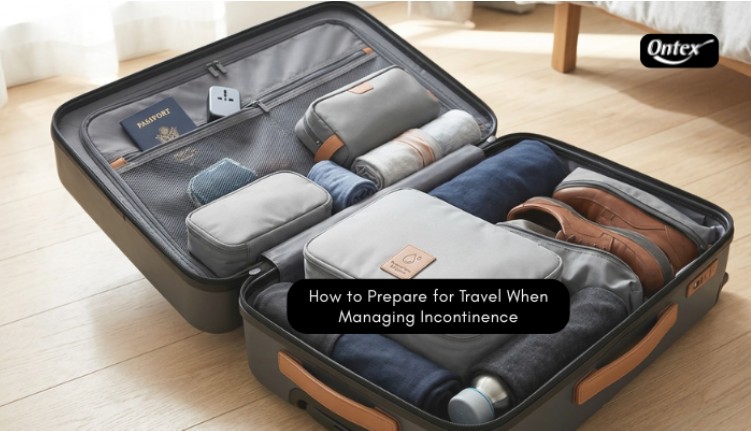
Packing your continence products properly means less stress at the airport and more room in your suitcase for clothes and souvenirs. These packing tips will help you keep your incontinence products organised and discreet from door to door:
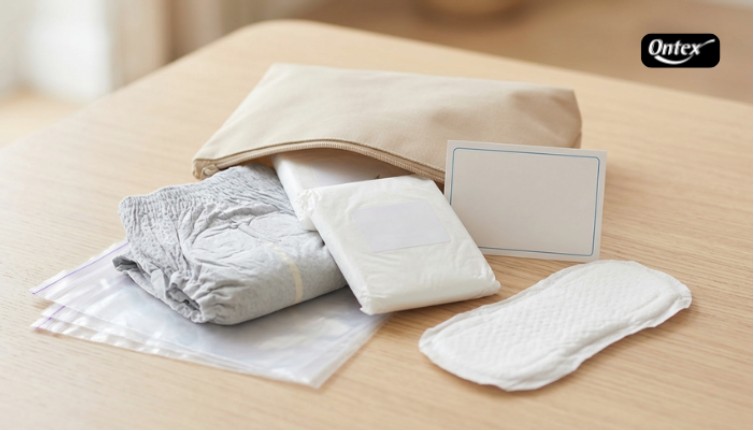
- Roll and Store Flat: Roll or fold your pads and pants flat inside Ziploc bags to save luggage space. Ziploc bags also keep your products clean and separate from the rest of your belongings.
- Pack Extra Supplies: You don’t want to spend your holiday searching for a pharmacy in an unfamiliar area. Always pack at least 2 extra days’ worth of disposable or reusable products in case your travel plans change unexpectedly.
- Split Between Bags: If one bag goes missing or gets delayed, you could end up without any continence products for the first day or two. Keep some in your carry-on and the rest in your checked luggage so you’re covered either way, without spending money on emergency replacements.
We’ve heard from plenty of our customers across Australia that packing extra gives them one less thing to worry about on the road. So, a little preparation before you leave home frees you up to enjoy the trip itself.
Once your bag is sorted, the next question is which product will keep you most comfortable during the trip itself.
How Incontinence Pants Help During Long Travel Days
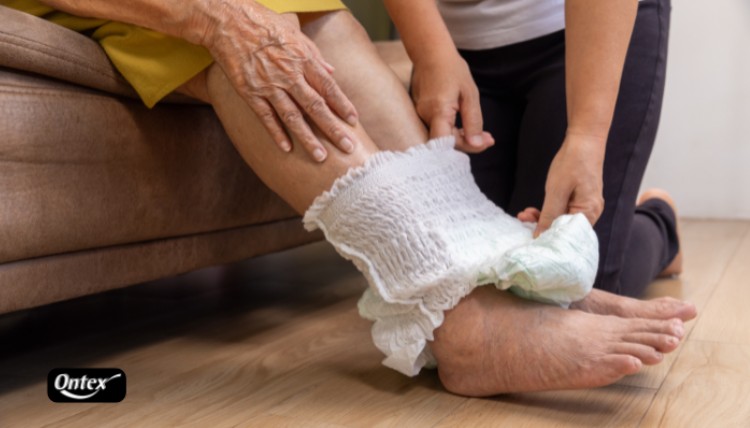
Incontinence pants offer discreet protection that looks and feels like regular underwear, so you can move through airports and hotels without a second thought. And when you do need to change, pull-up style pants make it easy.
To be honest, trying to swap out an adhesive pad in a tiny airplane bathroom is no fun for anyone. Pants just pull down and back up, with no adhesive strips or repositioning mid-flight. A reliable pair also locks away moisture for hours, which means your skin stays dry and odour-free even on a 14-hour flight to London.
Our team has put products like iD Pants and Lille through exactly those conditions, and the absorbent core holds up on 10+ hour days. You can pick washable options for shorter trips or disposable pants for longer journeys where laundry access isn’t available.
For travellers who want continence protection that feels like normal undergarments, pull-up pants are the most practical choice you can pack.
Strengthening Your Pelvic Floor Muscles Before You Travel
Your pelvic floor muscles sit beneath your bladder and help you control when you urinate. As you age, or after events like childbirth, these muscles lose strength, and urinary incontinence and urge symptoms get worse as a result.
But a few weeks of targeted exercises before your trip can noticeably strengthen those muscles, and you don’t need a gym or any equipment to get started. Just a short daily exercise plan can reverse bladder leaks within a few weeks.
So let’s look at a schedule you can start with today:
| Weeks Before Trip | Daily Routine |
|---|---|
| 6–8 weeks out | 3 sets of 10 slow squeezes, hold each for 5 seconds |
| 4–6 weeks out | 3 sets of 10 squeezes, hold each for 8 seconds |
| 2–4 weeks out | 4 sets of 10 squeezes, hold for 10 seconds, add 5 fast pulses |
Stronger pelvic floor muscles give you better bladder control, which means fewer bathroom stops and less anxiety on long flights or road trips.
Your doctor can also help you build a program around your body, and the National Continence Program offers further information if you’d like hands-on guidance from a trained professional.
Bladder Leakage Support While Travelling: Practical Tips
Now that you’ve sorted your products and exercises, a few travel-day habits can make bladder leakage much easier to manage.
Here’s what to focus on when you’re out the door and on your way:
- Map Out Bathroom Access: Before you leave home, look up bathroom locations at airports, rest stops, and tourist spots along your route. The National Public Toilet Map is a free tool that shows you accessible public toilets and adult change facilities across Australia. You won’t have to guess or panic when you need to find one in a hurry.
- Watch Your Fluid and Diet: Cutting back on water before a flight feels tempting, but dehydration irritates your bladder and increases the urge to urinate. Caffeine and acidic foods irritate the bladder lining in a similar way, so try to limit both while you’re in transit. Sip water steadily instead, because your bladder’s capacity stays more stable with consistent fluid intake.
- Dress for Comfort: Wear dark, loose clothing when you’re travelling to reduce visible signs of any light leaks (you’ll thank yourself later). If you’re heading out with kids or family, keeping a small change kit in your day bag makes stops quicker for everyone.
For more information, the Continence Foundation of Australia has a helpful guide on travel planning tips for people managing incontinence.
Enjoy Your Next Trip With the Right Incontinence Products
Travelling with incontinence doesn’t have to mean constant worry or missed holidays. You’ve now got the tools to prepare, including the right products, solid packing habits, and a stronger pelvic floor before you leave.
At Ontex Healthcare, we help adults across Australia travel with confidence every day. Our range of adult care products includes disposable and reusable incontinence pants, overnight underwear, and absorbent pads. Each one is designed to keep you dry, comfortable, and discreet wherever your travel plans take you.
You’ve done the preparation; now go enjoy the holiday!