
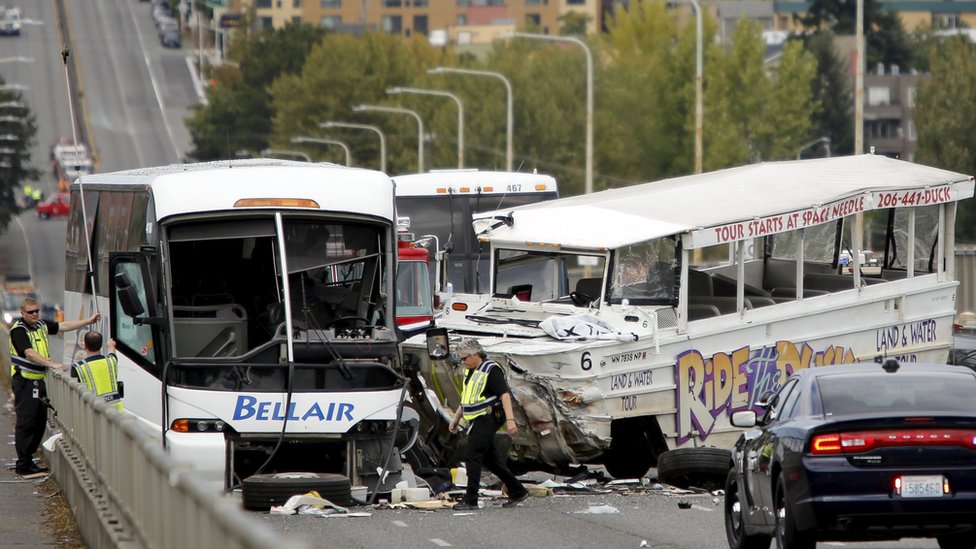

A bus crash can turn a normal DC commute into a painful mess. One minute, you’re heading to work. The next, you’re hurt, shaken, and unsure what happened. Bus accident cases can get tricky fast. Several people or groups may share blame. Records can disappear. Witnesses may forget small but key facts. That’s why evidence matters so much. Strong proof can show how the crash happened and who caused it. It may also show the true cost of your injuries. For an injured rider, driver, cyclist, or walker, early action can make a real difference.
Why Bus Crash Evidence Matters So Much
A personal injury claim is built on facts. Saying a bus driver was careless isn’t enough by itself. You need proof that backs up your side of the story. Think of evidence like pieces of a puzzle. One photo may not explain the whole crash. Yet photos, video, records, and witness accounts can form a clear picture. Bus cases may involve public transit, school buses, tour buses, or private shuttle firms. Each case brings its own set of facts. The key is finding the right proof before it becomes hard to get.
Start With the Crash Scene
The crash scene may hold some of the best early proof. Skid marks fade. Broken glass gets swept away. Buses get moved and roads reopen. If you’re able, take photos and short videos. Capture the bus, other cars, traffic signs, and road marks. Wide shots can show the full scene. Close photos matter too. Take pictures of dents, broken lights, and damaged bike parts. If your clothes or personal items were torn, keep them. You know what? Small details often seem dull at first. Later, they may answer a big question about speed, impact, or direction. Weather and road conditions also matter. Rain, ice, glare, and road work may have played a role. Record what you saw while the memory is fresh.
Video Can Tell the Story Without Guesswork
Washington, DC has cameras in many busy areas. A bus may also carry video equipment. Nearby stores, homes, and parking sites may have cameras facing the street. That footage can be powerful. A video might show a bus running a light or making a sharp turn. It could show a car cutting into the bus lane. It may also show where a person stood before the crash. The problem? Video isn’t always kept for long. A lawyer may send a notice asking the party with the footage to preserve it. Quick action can help stop key evidence from being erased during a normal data cycle. Dashcam footage should also be checked. Other drivers may have caught the crash without knowing it.
Don’t Overlook Bus Records
A bus is more than a large vehicle. It often comes with a paper trail. Driver logs, work shifts, repair files, and safety reports may help explain the crash. Training records could also matter. So might past reports about the same bus or driver. Was the driver tired after a long shift? Did the bus have worn brakes? Was a safety issue reported but left unfixed? These questions aren’t random. They can point to the root cause of a serious crash. Electronic data may also show speed, braking, or other bus actions. The type of data depends on the bus and its systems. A skilled DC Personal Injury Lawyer can work to identify records tied to the crash. The goal is simple: find facts before key files are lost or changed.
Witnesses Remember What Cameras Miss
Cameras are useful, but they don’t catch every angle. A witness may have seen the bus driver looking away. A rider may have heard a warning before the crash. Names and phone numbers matter here. If possible, get contact details from people who saw the crash. Don’t push them to agree with your view. Just ask how they can be reached. Witness memory can fade with time. That’s human nature. A clear statement given soon after the crash may be more useful than a vague memory months later. Passengers can be key witnesses in bus cases. They may know how the driver acted before the impact. They might recall hard braking, sharp turns, or unsafe speed.
Medical Records Connect the Crash to Your Injuries
Some injuries are clear right away. Others take time to show their full effect. A sore neck may grow worse overnight. Back pain can limit movement days later. Head injuries may cause headaches, confusion, or sleep problems. Seek medical care after a serious bus crash. Tell the doctor where you hurt and how the crash occurred. Don’t add drama. Don’t play down real pain either. Medical files can link your injuries to the collision. They may show tests, care plans, medicine, surgery, and rehab needs. Keep copies of bills and related costs. Save receipts for medical gear and travel tied to care. A simple pain journal may also help. Write down bad days, missed events, and tasks you can’t do. Keep it plain and truthful.
Police Reports Help, but They Aren’t the Whole Case
A police report may list drivers, witnesses, and basic crash facts. It may also include a diagram or notes from the scene. That’s useful. Still, one report may not tell the full story. The officer may not have seen the crash happen. New video or bus data might later reveal more facts. A witness may also provide details that weren’t in the first report. So, don’t treat the police report as the final word. It’s one piece of evidence, not the whole box.
Who Should Preserve the Evidence?
This is where bus cases can become a bit of a maze. Evidence may be held by a bus firm, public agency, repair shop, driver, or another vehicle owner. Camera footage might belong to a nearby business. Each party may have different record rules. Price Benowitz Accident Injury Lawyers, LLP handles many injury matters in Washington, DC, including bus and other motor vehicle accident cases. The firm also works with people facing severe harm, such as spinal cord and burn injuries. Legal counsel can review the crash and identify possible sources of proof. That may include sending preservation notices and seeking records through the legal process. Waiting can make the job harder. A bus may be repaired. Digital files may be erased. Witnesses may move or stop answering calls. Time matters. It really does.
Build the Case Around Facts, Not Assumptions
After a bus accident, people often have different stories. One driver blames another. A bus firm may point to road conditions. An insurer may question the injury claim. Good evidence cuts through that noise. Photos show damage. The video shows movement. Records reveal past actions. Medical files document harm. Witnesses fill in missing moments. No single item must carry the whole case. Strong claims often come from several forms of proof working together. If you’ve been hurt in a Washington, DC bus crash, focus on your health first. Then protect the facts tied to the collision. Those facts may become the backbone of your injury claim.
Frequently Asked Questions About Bus Accident Evidence in Washington, DC
1. What evidence is most important after a Washington, DC bus accident?
Photos, video, witness details, medical records, and bus records may all matter. Police reports and electronic bus data can also help. The best evidence depends on how the crash happened and who may share fault.
2. Can bus camera footage be used in an injury claim?
Yes, bus camera footage may help show events before and during a crash. It could capture driver actions, passenger movement, or the impact itself. Since footage may not be stored forever, efforts to preserve it should begin quickly.
3. What if I didn’t take photos at the bus accident scene?
You may still have other sources of proof. Police records, witness accounts, street cameras, business video, and vehicle damage can help. Medical records may also show when your injuries began and how they affected you.
4. Why are medical records important in a bus accident case?
Medical records help document your injuries, care, and recovery needs. They may connect your symptoms to the crash date. Bills, test results, therapy notes, and doctor reports can also help show the financial impact of the injury.
5. How can a lawyer help gather evidence after a bus crash?
A lawyer can identify who may hold key records and seek access to them. This may include bus video, driver files, repair records, and electronic data. A lawyer can also contact witnesses and review medical proof while building the injury claim.